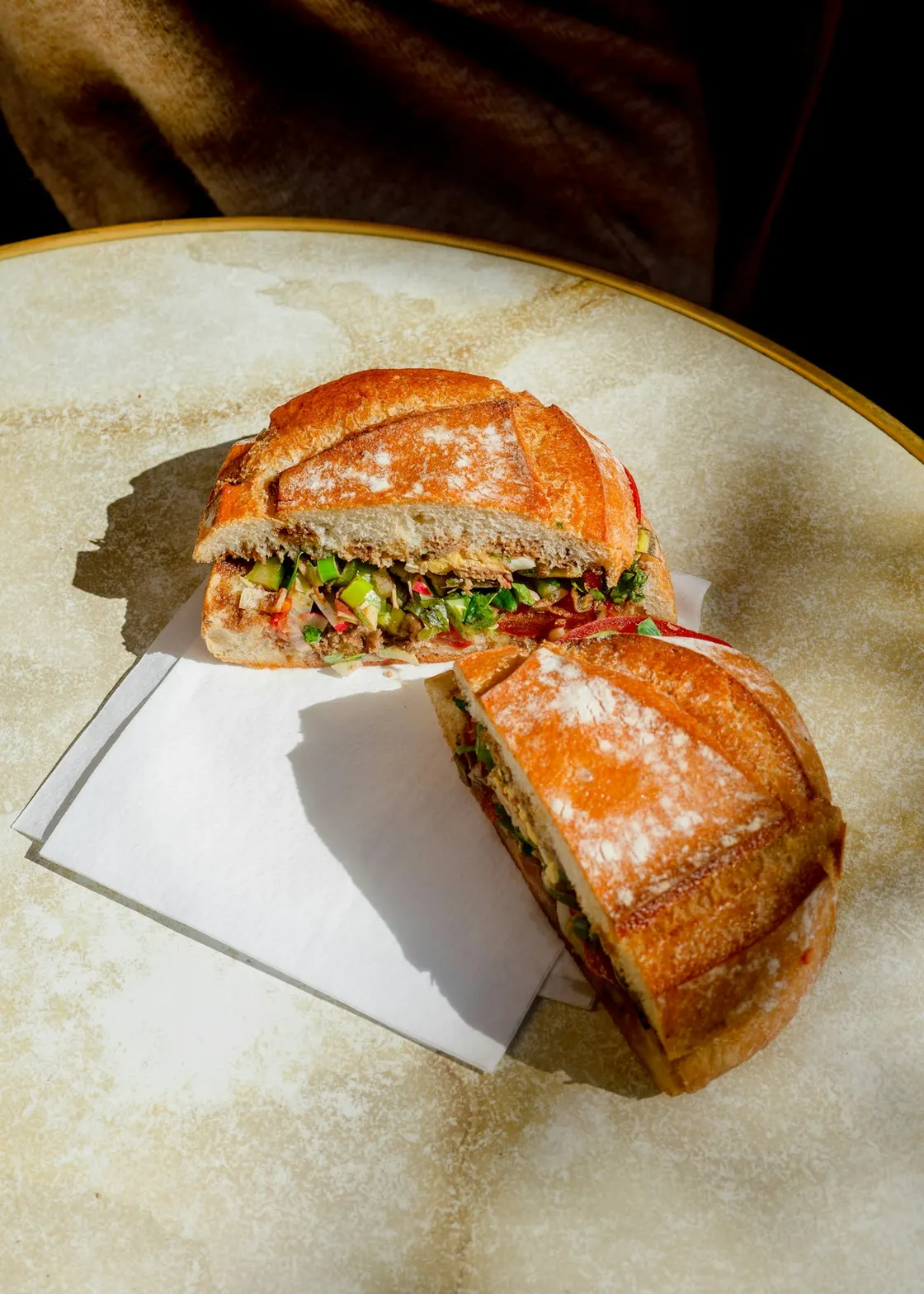
You are in the supermarket, lunch is still undecided, and you would prefer to leave with a meal rather than a collection of unrelated snacks. Start with a familiar lunch format, then use food groups to think about what could go alongside it.
A sandwich, a bowl or a plate of separate components is enough of a starting point. You do not need specialist products, a nutrient calculator or a new diet. This guide helps you assemble one ordinary lunch from foods you already choose. The quantities remain yours to decide.
Use food groups as prompts
The UK’s Eatwell Guide groups foods into fruit and vegetables; starchy foods; protein foods; dairy and alternatives; and oils and spreads. Its balance is considered across a day or week, rather than being a requirement to reproduce the diagram at every meal. Here, those groups supply ideas for shopping, without specifying personal portions. NHS Eatwell Guide.
For lunch, the prompts might look like this:
- Starchy food: bread, a potato, rice, pasta or another familiar base.
- Protein food: beans, lentils, eggs, fish, meat or tofu.
- Fruit or vegetables: something you want inside the meal or alongside it.
- Dairy or an alternative: an option such as yogurt, cheese or a suitable alternative, if wanted.
- Oil or spread: part of preparation or flavor, where the meal calls for it.
The NHS also lists tofu among non-dairy protein sources. Foods can contribute several nutrients at once. These shopping categories are a way to remember possibilities, rather than five separate purchases you must make. The combinations below are editorial examples, not a nutritionally assessed menu.
Choose the format before the ingredients
Ask what you feel like eating and what you can realistically put together. A sandwich needs something that works between bread. A bowl needs a container and spoon or fork. A hot lunch needs a way to follow the food’s heating instructions.
Make this decision before buying several ingredients that each require a different appliance. If you will be eating at work, the workplace lunch facilities checklist can help you confirm the practical arrangements. It covers access and equipment, rather than checking whether a particular food is safe to store there.
At home, decide how much washing up you are willing to do. If you want one plate and a knife, choose a lunch that fits that limit.
Try three ordinary combinations
A sandwich with something alongside
Start with bread you like. Choose a familiar ready-to-eat filling, such as hummus or cooked egg, and add prepared vegetables you enjoy in a sandwich. A piece of fruit or yogurt can sit alongside it if that is what you want.
Check the bread and filling together: is the filling spreadable, does it need slicing, and do you have the ingredients you normally use for flavor? You do not need to buy a whole new condiment for a single lunch if something suitable is already at home.
A bowl assembled from a few packages
Choose a grain product, a ready-to-eat bean or lentil product, and vegetables that suit the dish. Add a dressing or seasoning you already enjoy. Confirm each product’s preparation directions, including whether heating is required.
Keep the first version simple. One familiar combination tells you more about what you want next time than buying several unfamiliar ingredients at once. If you prefer components kept separate, put them on a plate instead.
Soup with an accompaniment
Choose a soup you like and read what it contains and how it must be prepared. Add bread or another accompaniment if wanted. Depending on the soup, you might also choose a familiar bean, egg or dairy component, or some fruit.
A product name alone may leave questions unanswered. “Vegetable soup,” for example, does not tell you every ingredient or the amount supplied. Read the actual package rather than treating the name as a complete meal description.
Check the package before checkout
Distinguish ready-to-eat food from food that needs cooking. Follow storage and preparation directions, including instructions that change after opening. U.S. FDA guidance emphasizes keeping foods requiring refrigeration cold and following commercial frozen-food cooking directions. A convenience product still has handling instructions. FDA storage guidance.
Check ingredients and relevant allergen information on the products you choose, as the FDA advises. These examples do not establish suitability for a food allergy or prescribed diet.
If you compare U.S. Nutrition Facts labels, first check their serving amounts. A labeled serving is not a personal portion recommendation. Our nutrition-label guide explains that distinction without assigning you nutrient targets. FDA label guidance.
Buy for this lunch and a believable next use
Look at the total cost of the ingredients, including anything you would buy only for this meal. Consider whether you will use the remainder of a large tub or bag. Choosing a smaller package may suit the situation even when its unit price is higher.
Compare prices for like amounts, then decide separately whether the quantity fits your plans. There is no saving in buying an ingredient you do not want to use.
Copy the one-lunch worksheet
- Lunch format: sandwich / bowl / soup / separate plate / other ______
- Familiar base or main item: ______
- Protein-food option, if adding one: ______
- Fruit or vegetables I want: ______
- Dairy, alternative, oil or spread, where wanted: ______
- Preparation and storage instructions checked: ______
- Equipment available: ______
- Items already at home: ______
- Shopping total and plan for unused ingredients: ______
Finish by asking one ordinary question: does this sound like a lunch I want to eat today? Adjust the combination until it does, then keep the useful idea for another supermarket visit.