Start with the meal you want to organise, the food already in the kitchen or the label you need to understand. The guides below connect those questions to planning, shopping and everyday preparation.
Compare grocery prices using the same unit, check promotion conditions and consider the total purchase. Includes an original calculation example and comparison worksheet.
Make a practical pantry inventory before shopping. Record recognizable items, known amounts and meal ideas, then compare the list with the ingredients you intend to buy.
Turn supermarket ingredients into an ordinary lunch using food groups as prompts. Find flexible combinations, practical product checks and a short worksheet.
Choose vegetables for the dish, preparation time and storage space you have. Compare fresh, frozen and canned options with a practical shopping checklist.
Explore familiar protein foods, from beans and tofu to eggs, dairy, fish and meat. Compare preparation needs and choose an option for an ordinary meal.
Learn where dietary fiber comes from, how whole grains and pulses fit familiar meals, and how to compare foods without turning lunch into a nutrient calculation.
Use U.S. FDA and USDA guidance to cool, refrigerate and reheat ordinary leftovers. Includes temperature checks, storage limits and a kitchen checklist.
Copy a freezer inventory template to record items, locations and known dates. Update it as food goes in or out, then check your meal ideas and shopping list.
Build My Meals
Here is what fewer decisions can look like.
Use these three dinner ideas as a starting example. Check the ingredients, then repeat, swap or simplify within the tool to fit your own week.
Example result · simple dinners · 3 days · microwave or no reheating
Day 1 About 10 min preparation
Beans, ready-to-eat grains and vegetables
Use canned beans, prepared vegetables and cooked grains. Heat or prepare each as directed on its packaging.
Day 2 About 10 min preparation
Cooked chicken, grains and vegetables
Use ready-to-eat cooked chicken, cooked grains and prepared vegetables. Check and follow their serving and reheating directions.
Day 3 About 10 min preparation
Ready-to-eat tofu and a grain bowl
Choose tofu, cooked grains and prepared vegetables with instructions suitable for your setup. Prepare them as labeled.
Read-only output from Build My Meals, using its default choices. Everyday ideas, not medical nutrition advice or allergy-safe planning. Preparation times are approximate; follow product instructions.
Start in your own kitchen
Keep the familiar food. Check what is missing.
From the existing Mix-and-Match Shopping Worksheet
Start with what is familiar
Meal ideas I already know how to prepare
What is already in the kitchen?
Equipment and preparation instructions I need to check
Write the familiar meals you have in mind, then list what you need to buy. Choose portions and quantities yourself; this sheet is neither a prescribed diet nor an allergy-safe plan. Type here or print it, and print entries before leaving if you want to keep them: they are not saved or sent.
Read the exact phrase beside the date, then check the product and storage instructions. A printed date alone cannot tell you whether every food is safe to eat.
Distinguish declared ingredients from precautionary allergen warnings. Practice with fictional labels without treating missing warnings as proof of safety.
Free sugars, added sugars and total sugars are not the same thing. What the NHS, WHO and FDA include in each term, and how to read the sugar line on a label.

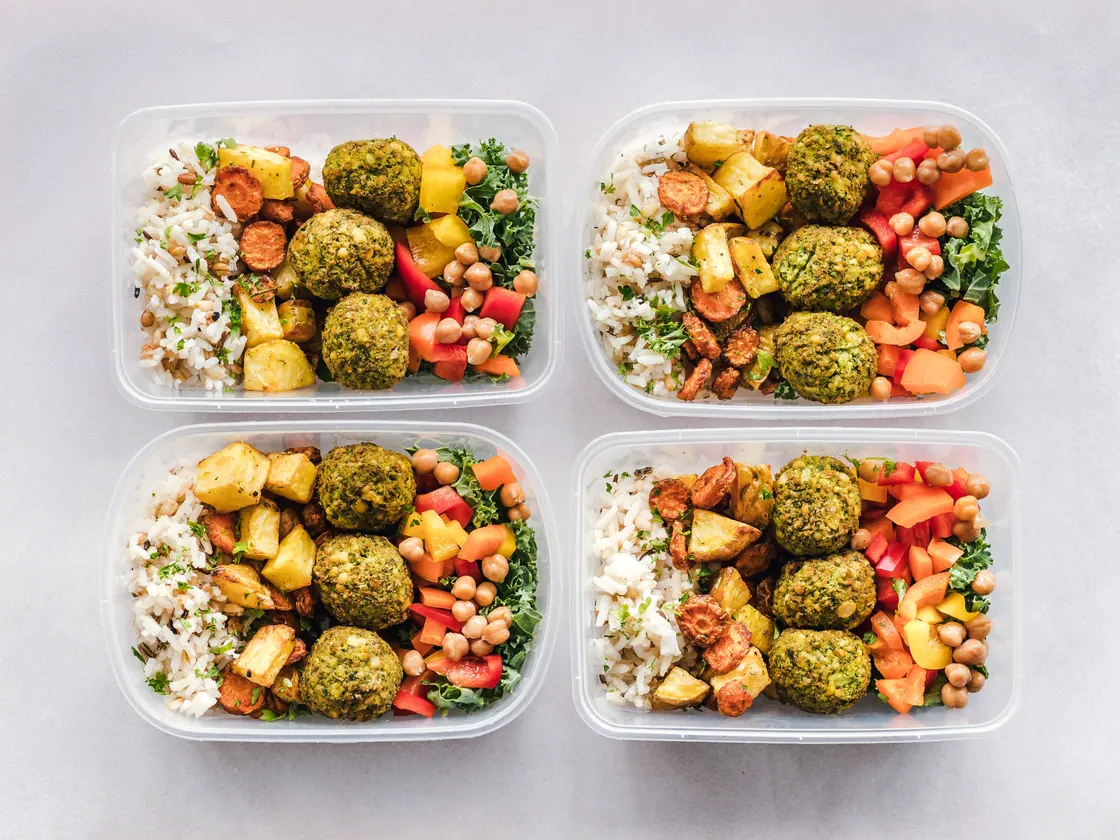 Meal Planning When You Hate Cooking: A Mix-and-Match Shopping Guide
 How to Read a Nutrition Label Without Overthinking It
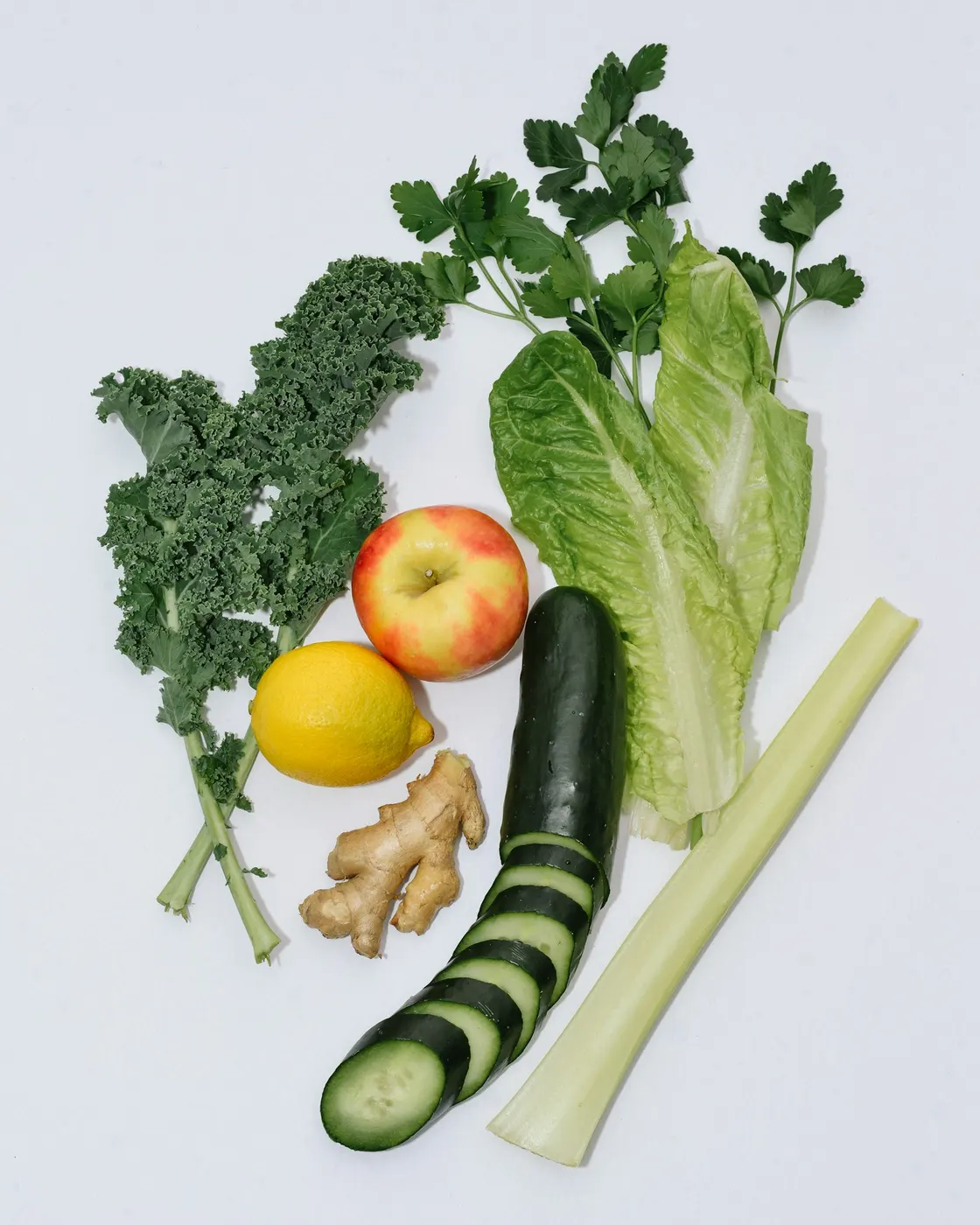
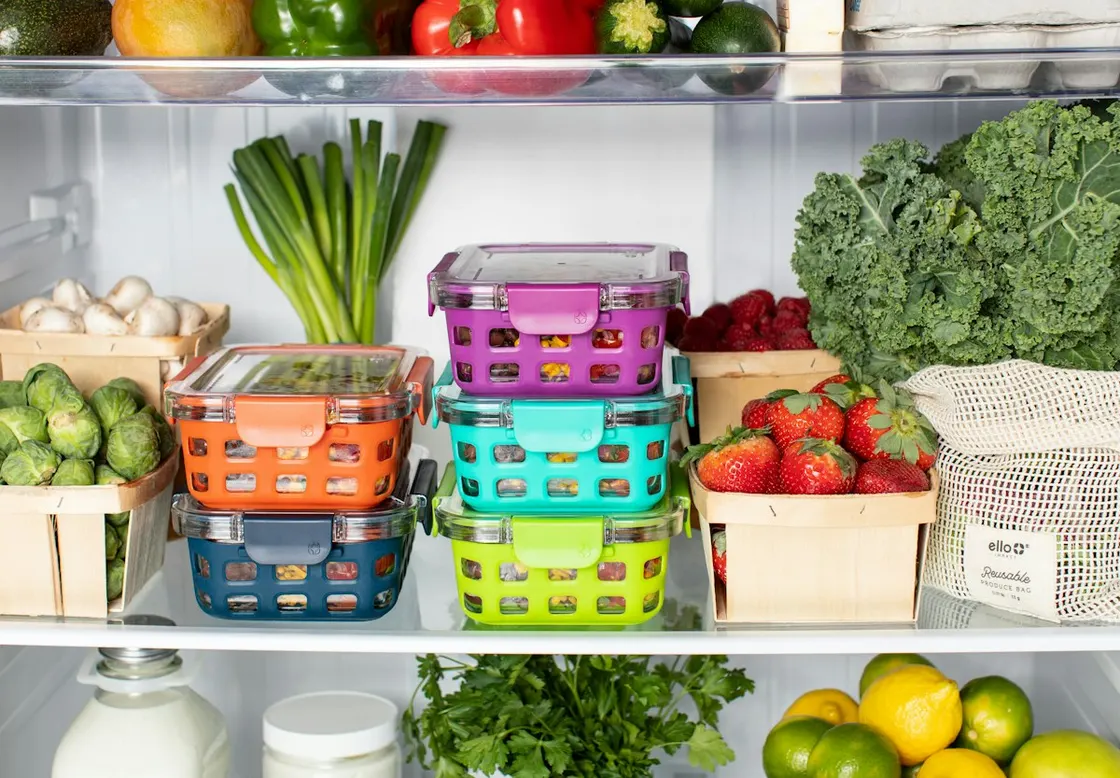
 Organize Saved Recipes With a Simple Recipe Index
 Plan a Shared Dinner When Everyone Has Different Preferences
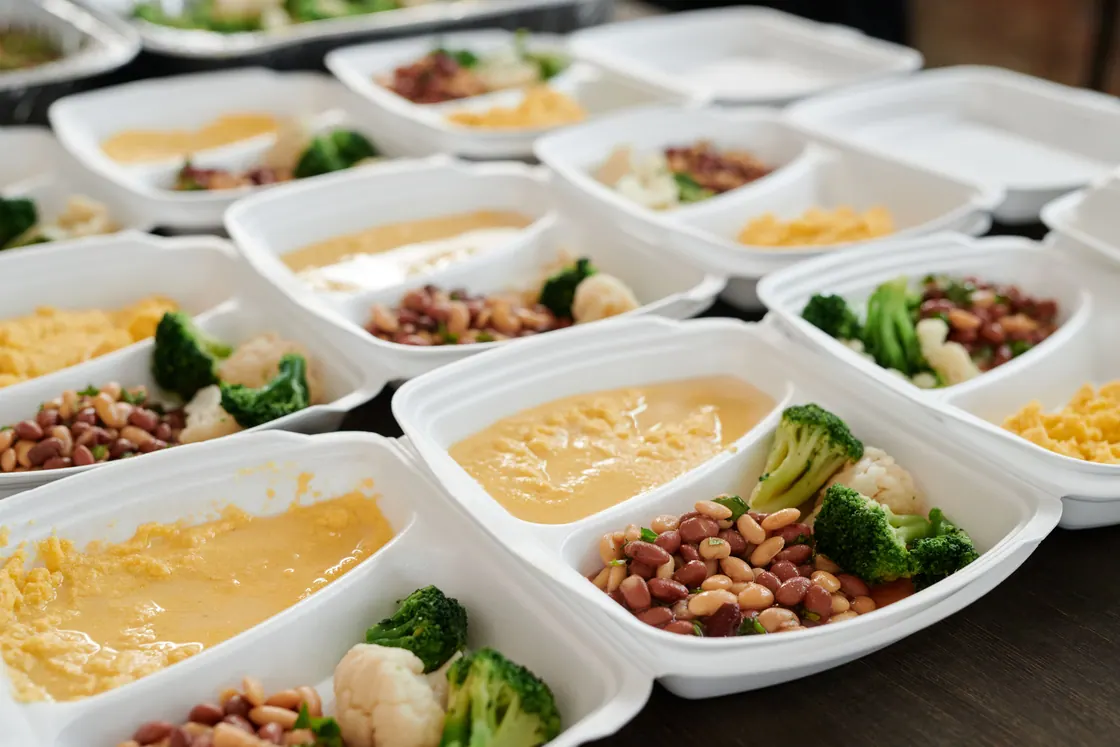 A Workplace Lunch Facilities Checklist for Your Next Office Day
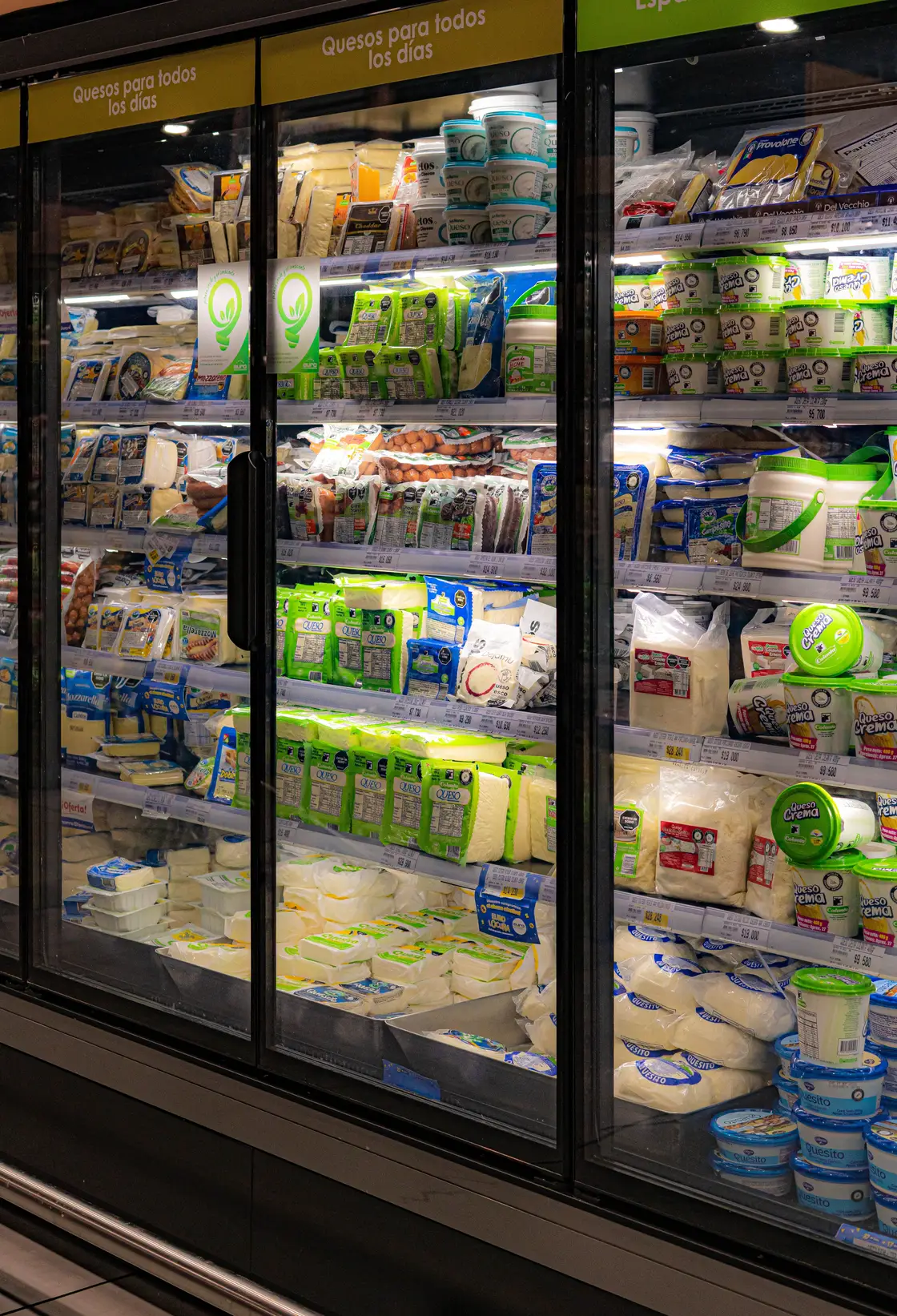 Freezer Inventory: A Simple System for Using What You Already Have