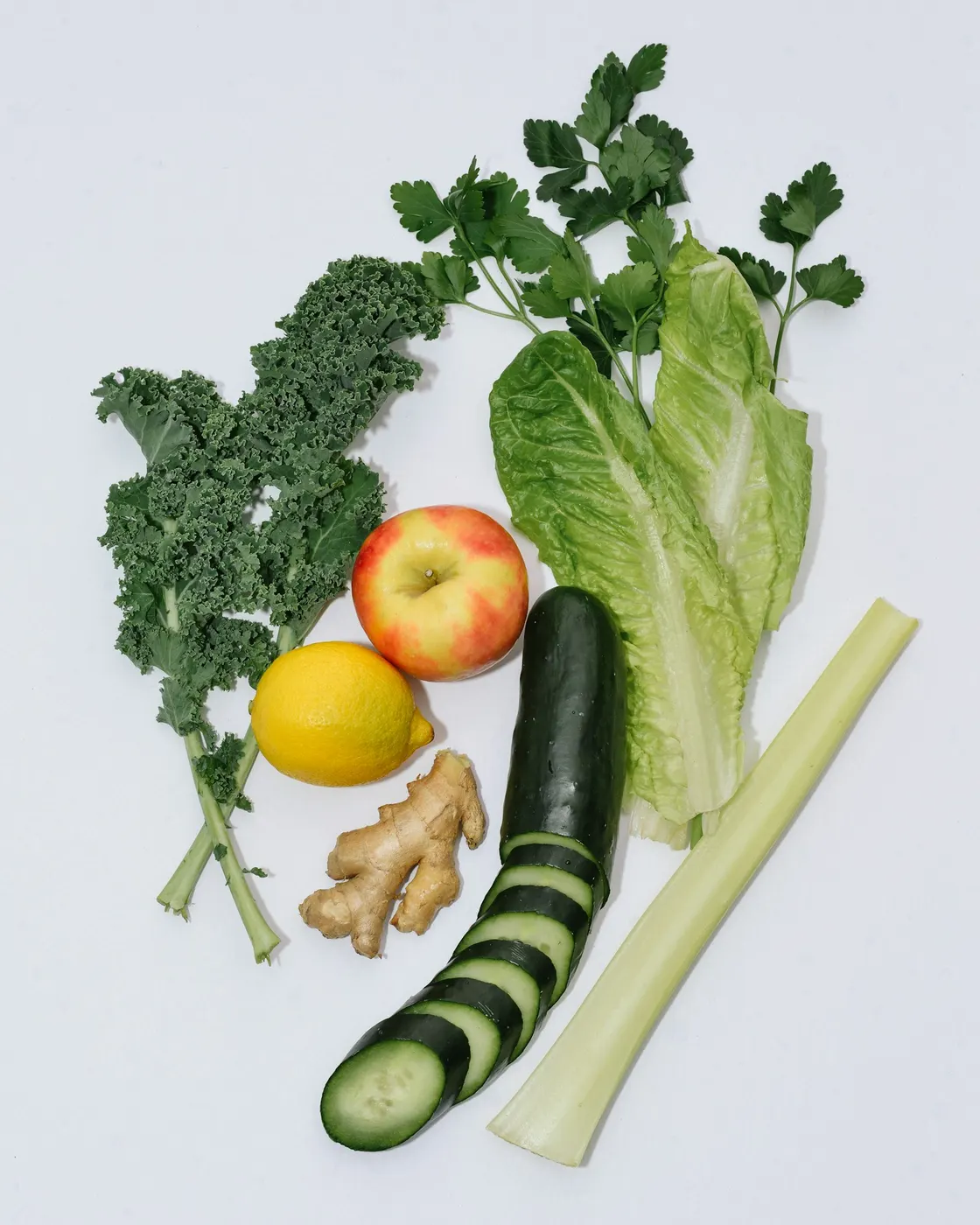
Oats in the cupboard, beans in a familiar soup, an apple beside lunch: dietary fiber appears in many ordinary foods. If you want to understand it better, begin by recognizing those foods and how you already use them. You can make a useful first choice without calculating a daily total.
This guide explains the basic terms, identifies familiar sources and offers a way to try a change that fits your kitchen. It does not set an intake target or change an eating plan you have been given for a medical reason.
Understand the word on the label
Dietary fiber is a type of carbohydrate that is not easily digested in the small intestine. Naturally occurring fiber is found in plant foods. The U.S. FDA lists beans, peas, lentils, fruit, vegetables, nuts, seeds and whole grains among its sources. FDA: dietary fiber.
You may also encounter the terms soluble and insoluble. Soluble fiber dissolves in water and forms a gel-like substance; insoluble fiber does not dissolve in water. These describe properties of fiber, rather than two shopping lists you need to keep. The useful everyday starting point is a range of familiar plant foods. FDA fiber explanation.
“Fiber” and “fibre” are different spellings of the same word. U.S. labels generally use the first; UK guidance generally uses the second.
Look in several parts of the kitchen
Grains and grain-based foods
Oats, brown rice, wholemeal bread and wholewheat pasta are familiar possibilities. The NHS includes these among practical ways to bring fiber into ordinary meals. You might recognize an option you already enjoy before considering a new product. NHS fiber-food suggestions.
Choose a format you will use. If porridge suits breakfast, keep the preparation instructions with the oats. If toast is your usual meal, look at bread you actually like. There is little practical value in buying a large package of an unfamiliar grain when you have no meal in mind for it.
Beans, peas and lentils
Pulses such as beans, lentils and chickpeas offer another route. Think about their place in a dish you know: a soup, a stew or a salad prepared using suitable ingredients and instructions. You can consider texture and flavor as well as the ingredient’s name.
Check whether the product is dried, cooked, frozen or ready to eat. Those formats require different preparation decisions. A can of cooked beans and a bag of dried beans are not instructions for the same cooking method. Keep the directions for the actual product.
Fruit, vegetables, nuts and seeds
These are additional sources to consider across the foods you already eat. You might prefer a piece of fruit with breakfast, vegetables alongside dinner, or a familiar nut or seed ingredient in a dish. You do not have to choose the same source each time.
Check ingredients and any allergy requirements you already manage. The examples here identify food categories; they do not establish that a particular product is suitable for every reader.
Know what whole grain means
A whole grain retains the grain’s bran, germ and endosperm. Refining removes the bran and germ and also removes some fiber. That explains why wholegrain wording can be useful when looking at grain-based foods. FDA guide to grains.
Read the ingredient list and the nutrition information together. They answer different questions: what the product contains, and what amounts the label reports. A wholegrain ingredient does not tell you everything about the finished product, how you will prepare it or whether you enjoy eating it.
For a simple first comparison, choose two products you would genuinely consider buying, rather than comparing unrelated foods merely to find the biggest number.
Compare labels on the same basis
On a U.S. Nutrition Facts panel, dietary fiber appears under total carbohydrate. Look at the serving size before comparing the fiber figures. The FDA explains that labeled serving sizes reflect amounts typically consumed; they are not personal instructions about how much to eat. FDA Nutrition Facts guidance.
If the stated amounts differ, make a note of that before reaching a conclusion. A per-serving figure and a per-package figure describe different quantities. Our nutrition-label guide walks through the panel when you want more detail.
Keep the label comparison proportionate to the decision. You are choosing a food for your meals, not grading every item in the cupboard.
Make a gradual, practical change
If you decide to increase fiber, make changes gradually. MedlinePlus notes that a rapid increase can lead to gas, bloating and cramps. That is a reason to avoid changing everything at once. MedlinePlus: dietary fiber.
Choose a meal you already make and one change you would like to try. For example, compare a wholemeal bread with your usual loaf, or consider a suitable prepared pulse in a familiar cooked dish. These are optional food ideas, not a schedule or a prescribed amount.
Our apple, yogurt and oat bowl is an existing recipe to read if that combination appeals. Check its ingredients and method for yourself; this guide does not turn it into a personal fiber target.
Copy the familiar-food worksheet
- Meal I already make: ______
- Fiber-containing food already included: ______
- Another food I would genuinely like to try: ______
- Product format and preparation directions: ______
- Ingredient or allergy information to check: ______
- If comparing labels, do they describe equivalent amounts? ______
- What I need to buy, if anything: ______
- After trying it: taste, texture and preparation effort: ______
- Keep, adjust or leave this idea: ______
The worksheet records a kitchen experiment, rather than symptoms or nutrient totals. A choice that does not suit you can simply stay off the next list.
If organizing the meals is the harder part, use the mix-and-match shopping guide alongside this explanation. Start with foods you recognize, keep the preparation realistic, and build a small set of options you are happy to repeat.