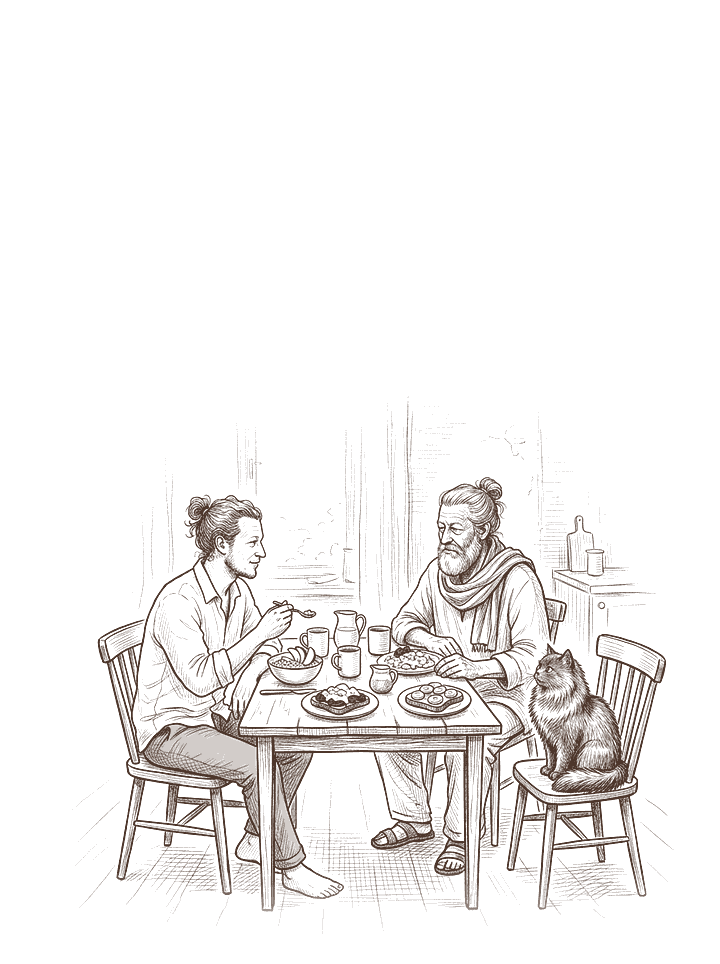
Easy breakfasts with protein and fiber foods can come from familiar ingredients: oats, yogurt, bread, eggs, beans and fruit. Health Canada lists eggs, yogurt, beans, nuts and soy foods among protein options, and FDA’s fiber guide identifies sources including whole grains, fruit and pulses. Choose a cold bowl, toast or something cooked based on the morning you have and the equipment available; these are meal ideas, not a prescribed menu.
Begin with the morning you actually have. A bowl assembled from chilled ingredients asks something different of you from eggs cooked on the hob. Choose an option whose preparation fits, and repeat it when you enjoy it.
Below are five ways to use familiar foods such as oats, yogurt, bread, eggs, beans and fruit. The useful comparison is what you need to prepare and keep available. They are meal ideas, not a prescribed menu: nutrition depends on the products and quantities, and no protein or fiber target or effect on energy, appetite or weight is promised.
Choose the morning before choosing the meal
First choose the kind of breakfast you want: a cold bowl, toast or something cooked. Then place the work where it fits—some belongs in the morning, some the evening before. Having only a spoon available calls for a different choice from having a hob.
Read the two linked recipes for quantities and complete methods. The other three combinations are assembly ideas, using suitable ready-to-eat products according to their labels. Let the ingredients and equipment determine the work; none of the suggestions promises a kitchen-tested preparation time.
For orientation, Health Canada lists eggs, yogurt, beans, nuts and soy foods among protein options. FDA’s fiber guide identifies sources including whole grains, fruit and pulses. These references explain the ingredient choices, not the nutritional adequacy of any breakfast.
1. Apple, yogurt and cooked oats
Choose this when: you want a cold bowl in the morning and can cook the oats the night before.
Use our apple and yogurt oat bowl. It combines cooked rolled oats, refrigerated yogurt and freshly prepared apple, with cinnamon if you enjoy it. The complete recipe explains the cooking, prompt refrigeration and next-morning assembly.
The evening step matters: this is not an instruction to soak uncooked oats on the counter. Read the recipe before shopping and follow its handling directions. Keep the yogurt refrigerated and check the exact ingredients if choosing an alternative product.
For the next morning, set out the clean bowl and spoon while keeping chilled ingredients in the refrigerator. Buying a larger yogurt container does not require making a larger oat batch.
2. Spinach scrambled eggs on toast
Choose this when: you prefer a warm, savory breakfast and have time to cook and wash the pan.
Our spinach scrambled eggs on toast gives the ingredients, method and cooking checks. Choose wholemeal bread if you like it; that is an option, not a condition for the meal to count as breakfast.
Follow the recipe’s instructions for the spinach and eggs. Frozen vegetables are not automatically ready to eat, and a breakfast served quickly still needs its full preparation.
Set out the pan and spatula and check the bread before starting. If cooking no longer fits the morning, change to an assembly option instead of cutting a required cooking step short.
3. Peanut butter and banana toast
Choose this when: toast is already part of your routine and the ingredients suit you.
Toast familiar wholemeal bread if wanted, spread it with peanut butter and add banana slices. A plate and ordinary table knife are enough for assembly; no separate sauce or special topping is needed. You can eat the banana alongside the toast if that is simpler.
Peanuts are an allergen. Do not treat a seed butter or another spread as an automatic allergy-safe replacement. Check the actual product and your own requirements.
Make it manageable: choose a spread you already use rather than buying several new jars. Buy an amount of fruit you realistically expect to eat. Prices vary, so compare the whole purchase with what is already in your kitchen.
4. Yogurt, ready-to-eat wholegrain cereal and fruit
Choose this when: you want a bowl without cooking or advance preparation.
Put refrigerated yogurt in a bowl, add a cereal labeled ready to eat, then add fruit you have prepared appropriately. Keep the cereal separate until eating if you prefer it crisp. This is different from the cooked-oat recipe: the cereal must be suitable for eating as sold.
If comparing cereals, read their labels rather than assuming a grain image or brown color tells you the fiber content. Compare equivalent serving amounts. A plant-based yogurt alternative may differ in protein and other ingredients, so check the specific product rather than assuming equivalence.
Keep the first bowl to one familiar cereal and one fruit. Add other toppings only if you actually want them, rather than making them another weekday task.
5. Hummus, wholemeal bread and cucumber
Choose this when: you want a savory breakfast without cooking eggs.
Use hummus labeled ready to eat, bread you enjoy and washed cucumber prepared with clean utensils. Spread the hummus on bread or keep the ingredients separate on a plate. This is an assembly option, not a new hummus recipe.
Hummus often contains sesame, and ordinary wheat bread contains wheat. Read all ingredient and relevant allergen information. Keep refrigerated products chilled as directed; “no cooking” does not mean “no refrigeration.”
Make it manageable: if you already buy these ingredients for lunch, consider a breakfast use before adding more products to the shopping list. Do not extend a product’s storage window to make the plan work.
Keep the choices simple and the handling separate
The FDA advises following storage directions and keeping the refrigerator at or below 40°F/4°C. For the two recipe options, use their complete preparation and storage instructions. For packaged foods, keep the label’s instructions, including those that change after opening.
Check ingredient and allergen information each time you choose a product. These combinations are not allergy-safe certifications or substitutes for a prescribed eating plan.
My two-breakfast card
Pick two possibilities rather than buying ingredients for all five.
- Breakfast I would repeat: ______
- Second option for a different morning: ______
- Already in the kitchen: ______
- Ingredients to buy: ______
- Cooking or preparation required: ______
- Refrigeration and package instructions checked: ______
- Ingredient or allergy information to check: ______
- If tomorrow changes, my simpler option is: ______
Use Build My Meals for broader meal organization, keeping this card and any recipe quantities separately. The tool does not check your ingredients, allergies or refrigerator. A successful first step is simply choosing a breakfast you want to make again.
Frequently asked questions
Which of these breakfasts have no eggs or yogurt?
Two of the five: peanut butter and banana toast, and hummus with wholemeal bread and cucumber. Read the ingredient and allergen information on the actual bread, spread and hummus you buy: peanuts are an allergen, hummus often contains sesame and ordinary wheat bread contains wheat. If you swap yogurt for a plant-based alternative, check that product too, as it may differ in protein and other ingredients.
What are some breakfast ideas with protein and fiber foods?
The five in this guide: an apple, yogurt and cooked oats bowl; spinach scrambled eggs on toast; peanut butter and banana toast; yogurt with ready-to-eat wholegrain cereal and fruit; and hummus with wholemeal bread and cucumber. Nutrition depends on the products and quantities you use.
Can I prepare breakfast the night before?
Some of the work can move to the evening before. For the apple and yogurt oat bowl, the oats are cooked the night before following the recipe, which explains prompt refrigeration; it is not an instruction to soak uncooked oats on the counter.
Will these breakfasts help with weight or energy?
No effect on energy, appetite or weight is promised. They are meal ideas, not a prescribed menu, and nutrition depends on the products and quantities.