A bag of carrots, frozen peas and canned tomatoes can each earn a place in an ordinary kitchen. The useful question at the shop is what you want the vegetables to do: add crunch to lunch, go into a cooked dish, or wait until a less predictable evening.
Freshness is only one part of that decision. In the UK’s food guidance, fresh, frozen and canned vegetables can all contribute to vegetable intake. That does not make every product identical. Start with the meal and compare the actual options. NHS: what counts.
Give the vegetables a job
Before choosing a format, finish this sentence: “I want these vegetables for ______.” Add when you expect to use them and how much preparation you are willing to do.
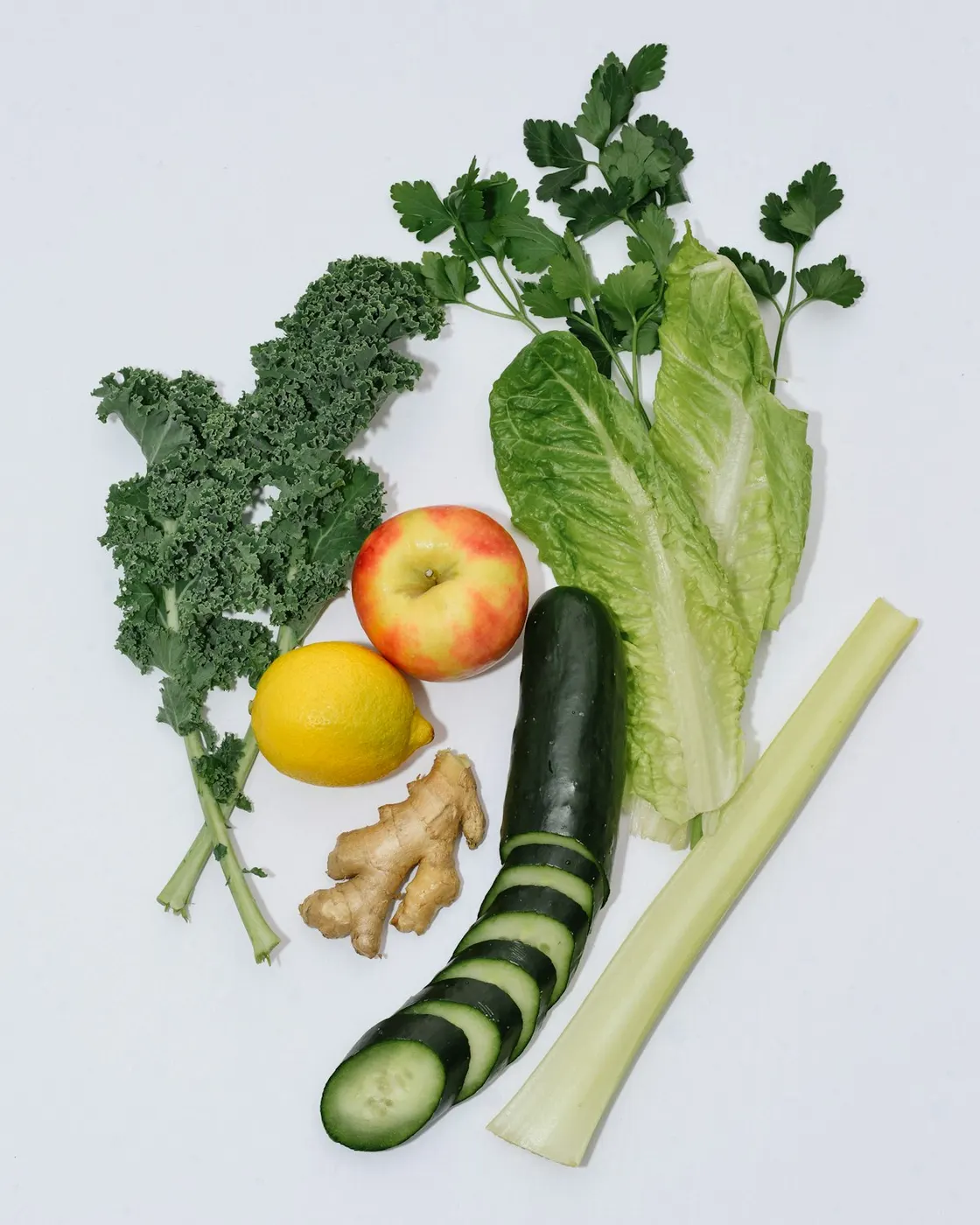
For a crunchy sandwich filling, you might choose a fresh cucumber. For a familiar soup, you might choose canned tomatoes. For a cooked side dish on an evening that could change, a bag of frozen peas might suit your plans. These are kitchen examples, not rankings of nutritional quality.
Think about the finished texture as well as the ingredient name. A recipe written for fresh tomatoes may need different handling from one written for canned tomatoes. Check the recipe and package directions rather than making a straight swap and hoping the result will be the same.
Choose fresh when you have a clear use
Fresh vegetables make sense when you want a particular raw texture or a shape you will cut yourself. Consider the washing, peeling and chopping involved. Pre-cut vegetables may fit your available time, while loose produce may let you buy the number of pieces you want.
For vegetables that need washing, the U.S. FDA advises rinsing under plain running water, including before peeling. Soap and produce wash are unnecessary. Its guidance also says pre-cut produce should be refrigerated or on ice in the shop and at home. FDA produce-cleaning guidance.
Ask yourself which meal will use the remainder. A large bag is less appealing if your next several dinners are elsewhere.
Choose frozen when the package fits your routine
Look at the bag before assuming it offers effortless preparation. Is it a plain vegetable, a mixture, or vegetables with a sauce? Does the method require a saucepan, microwave or oven? Can you prepare the amount you want, or do the instructions apply to the whole package?
A loose bag may allow you to take out what the meal needs and keep the rest frozen, following the package’s handling directions. A solid block or a sealed cooking pouch may be less flexible. Check the actual format.
Do not assume frozen vegetables are ready to eat after thawing. FDA guidance says to follow commercially frozen foods’ cooking instructions. Keep those instructions if you transfer the bag into another container. FDA storage guidance.
Choose canned with the whole dish in mind
Read the product name and ingredient list. Tomatoes in juice, corn in water, vegetables in brine and vegetables in sauce may bring different flavors and liquids to the meal. Decide whether you want those additions before buying.
If your recipe says to drain the vegetables, check the drained quantity where the package provides it. Avoid comparing a full can’s weight, including liquid, with the quantity of another product you expect to eat after draining.
Inspect the container, too. FDA advises checking canned goods for damage, including swelling, leaks, punctures and serious rusting or crushing. Choose an undamaged product; opening a questionable can is not a way to settle whether it is usable. Follow the storage directions after opening. FDA canned-goods advice.
Compare the details that matter to you
If you want a plain vegetable, check for sauces and seasonings. If you are comparing sodium or another nutrient, compare equivalent amounts on the labels. For U.S. Nutrition Facts panels, the serving size describes the label’s reference amount, rather than a personal instruction about how much to eat. Our nutrition-label guide explains the panel in more detail. FDA label guidance.
Keep price and usefulness together. Compare the price for the same weight when pack sizes differ. Then ask whether you want the whole quantity and have somewhere suitable to store it. A lower unit price does not settle those questions.
The U.S. EPA recommends buying with likely meals and quantities in mind; buying more only saves money when the food gets used before spoiling. That supports a modest shopping decision, without promising a particular saving. EPA food-waste guidance.
Copy the vegetable-choice checklist
Use this for one purchase, rather than scoring the whole trolley.
- Meal and day: ______
- Texture or use wanted: raw crunch / cooked pieces / sauce / other ______
- Formats available: fresh / frozen / canned
- Preparation and equipment required: ______
- Package ingredients or seasonings to check: ______
- Amount I expect to use, and what remains: ______
- Suitable storage space and relevant directions: ______
- Total price and comparable quantity: ______
- My choice, and the practical reason: ______
Before adding the item, check whether you already have an equivalent ingredient. Look in the cupboard, fridge and freezer before buying another version of the same ingredient.
You can choose different formats for different meals. One fresh vegetable for a planned lunch, one frozen option for a cooked dish and a can for a familiar sauce may be more useful than insisting on a single format for everything.