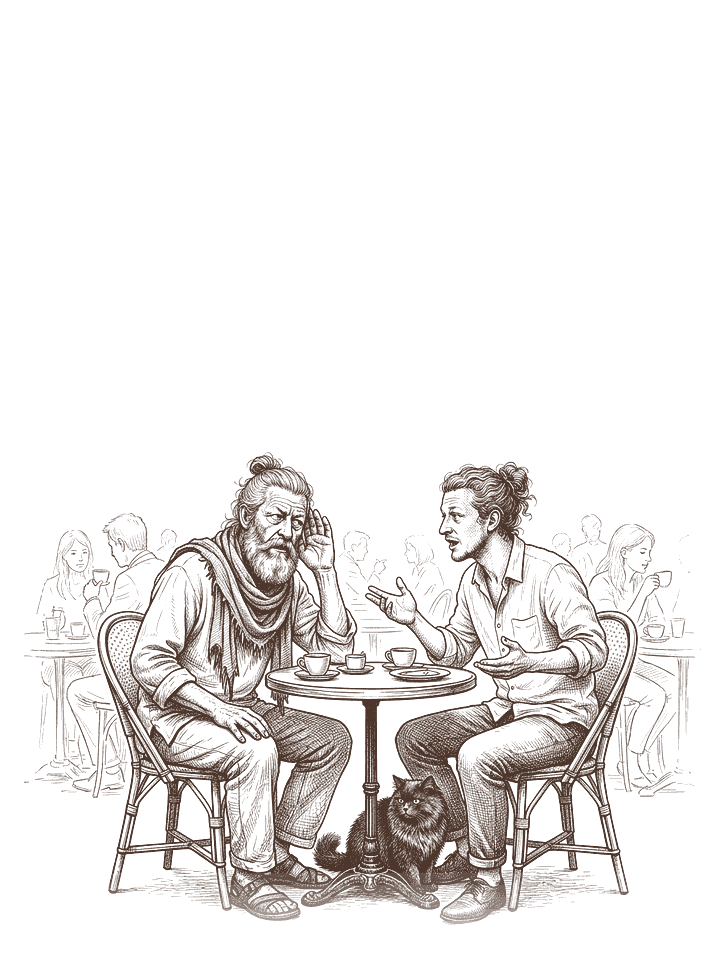
The NIDCD hearing-loss information discusses difficulties with conversation, telephone calls and hearing in background noise, so those are the situations worth describing. Examples include missing words during dinner or repeatedly turning up the television, or “I hear a voice but miss parts of the sentence.” This page does not diagnose or grade hearing loss; a primary-care clinician can help identify where to seek assessment. Sudden hearing loss is different from a routine appointment question and needs immediate medical attention.
A hearing-care conversation can start with an ordinary example: which words are becoming hard to follow, and where? That description gives you something concrete to discuss before comparing devices. Sudden hearing loss is different from a routine appointment question and needs immediate medical attention.
Describe the situation you notice
The NIDCD hearing-loss information discusses difficulties with conversation, telephone calls, and hearing in background noise. Missing words during dinner or repeatedly increasing television volume are examples you could describe.
“I hear a voice but miss parts of the sentence” records the difficulty without assigning a hearing-loss grade. There is no need to turn that observation into a diagnosis before asking for assessment.
Treat sudden loss as urgent
NIDCD calls sudden deafness a medical emergency. An abrupt change should not be assumed to be age-related or caused by wax. Seek medical attention immediately rather than waiting to complete a diary or buy an over-the-counter product. The notes below are for preparation; they must not delay that response.
Understand the assessment route
A primary-care clinician can help identify where to seek assessment. An ear, nose, and throat doctor and an audiologist have different roles in evaluating hearing and possible support. The NIDCD guide explains these roles and treatment options.
Referral arrangements and availability vary. Ask which route applies where you receive care, rather than assuming every service offers the same assessment.
Bring the details you already know
This sheet collects observations and communication requests. It does not measure hearing or estimate severity. Leave uncertain details as questions rather than trying loud home tests to fill the blanks.
| Detail | Your note |
|---|---|
| Situation that became difficult | ___ |
| Approximate start or change | ___ |
| Whether one or both ears seem affected | ___ |
| Other relevant symptoms or concerns | ___ |
| First question | What assessment is appropriate? |
| Communication request | Please provide the main instructions in writing. |
The written-instructions request is an example you can adapt to what helps you follow a discussion. You do not need to own hearing aids before asking for clearer communication.
Make the conversation easier to follow
Ask people to face you and clarify the part you missed. Tell the appointment provider what helps, including whether you want the main instructions in writing.
A concrete account keeps attention on the difficulty you want assessed. The explanation and appropriate support still depend on that assessment; no particular device is guaranteed to be the answer.
Frequently asked questions
What should I bring to a hearing test or assessment?
This page does not describe the test itself; it helps you prepare. Note the situation that became difficult, the approximate start or change, whether one or both ears seem affected and any other relevant symptoms or concerns, and ask what assessment is appropriate. Leave uncertain details as questions rather than trying loud home tests. Sudden hearing loss needs immediate medical attention, not a prepared note.
What are the signs of hearing loss?
The NIDCD hearing-loss information discusses difficulties with conversation, telephone calls and hearing in background noise. Missing words during dinner or repeatedly increasing the television volume are examples you could describe; noting where hearing has become difficult is more useful than assigning it a grade.
Is sudden hearing loss an emergency?
Yes. NIDCD calls sudden deafness a medical emergency, and an abrupt change should not be assumed to be age-related or caused by wax. Seek medical attention immediately rather than waiting to complete a diary or buy an over-the-counter product.
Who assesses hearing changes?
A primary-care clinician can help identify where to seek assessment. An ear, nose and throat doctor and an audiologist have different roles in evaluating hearing and possible support, and referral arrangements vary, so ask which route applies where you receive care.
Do I need hearing aids before asking for clearer communication?
No. You do not need to own hearing aids before asking for clearer communication, such as the main instructions in writing. Start with the problem rather than choosing a device first; no particular device is guaranteed to be the answer.
Can I test my hearing at home?
The note sheet collects observations and does not measure hearing or estimate severity. Leave uncertain details as questions rather than trying loud home tests, and ask what assessment is appropriate.