Planning & preparation
A quiet pause and a smaller next step
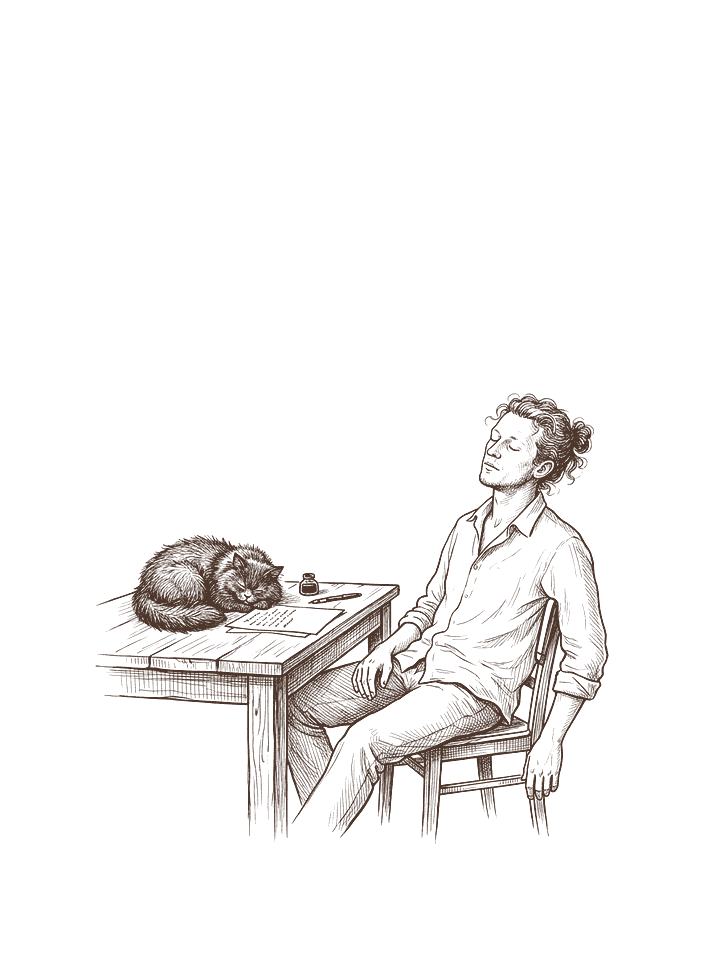
A pause to put down an unfinished task and decide what comes next.

A small way to start
- First find a place where you can safely pause without another task needing attention.
- If an unfinished task keeps asking to be remembered, write down what it is and leave that note for later.
- Then choose: take one smaller next step, or leave this window for rest. Rest does not need a task added to it.
- Let breathing stay ordinary. There is no breathing pattern, breath hold or feeling of relaxation to produce.
If the week gets busy
When the day changes, use the available moment to prepare the space, check your calendar or name the next step. You can leave the activity itself for another suitable time.
Make a smaller Plan B in My WeekKeep it appropriate for you
The sheet helps organize a pause and a next step. It does not treat anxiety, sleep problems or fatigue.
Choose time from the calendar you have. That window is not an exercise dose or a promise of a health result.
Source context
NIDDK’s habit-change guidance provides context for planning around barriers. The prompts here are this guide’s way of organizing a practical decision; they are neither a clinical protocol nor a medically reviewed exercise program.
Keep going
For general education. Read the health information disclaimer.