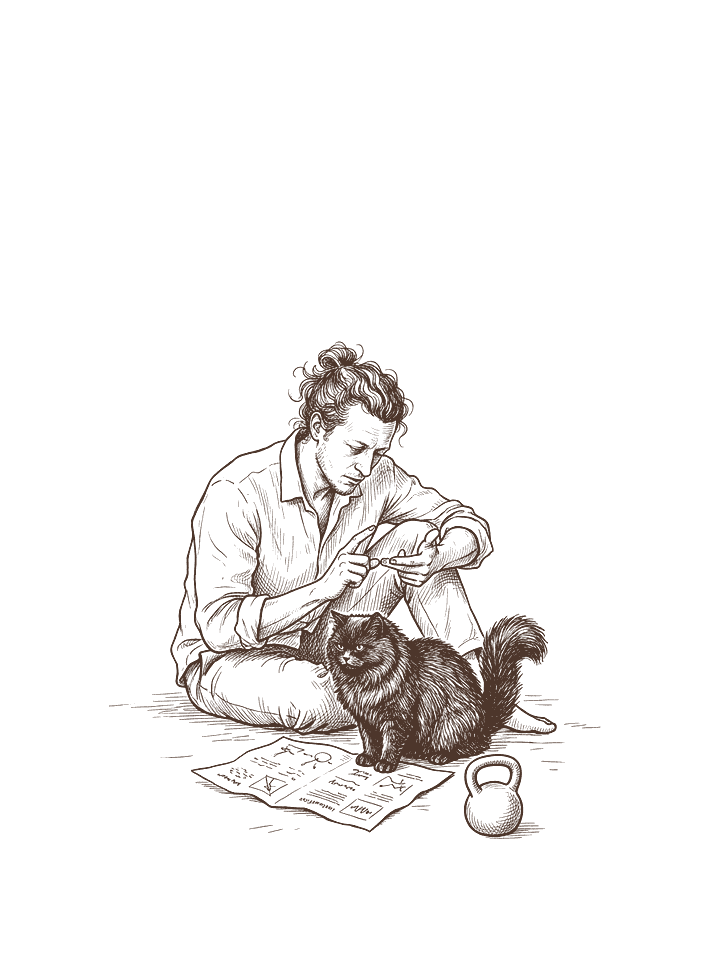
Bring the strength-session instructions you already have to this page. The aim is to understand what each line asks you to do and identify anything you need explained before starting. The exercises, resistance, repetitions and sets still come from those instructions, not from a new program supplied here.
Read the terms in context
A repetition is one complete movement; a set contains several repetitions, as the CDC explains. But “two sets” is only part of an instruction. Read it beside the exercise, the repetitions, the load and the explanation of how to perform it. A missing detail is a question for the provider, not a number to borrow from another plan.
For the broader distinction between types of activity, read activity types explained.
Keep the complete instructions
Keep the provider’s setup and movement instructions together. The NHS resource includes its own equipment and positioning details; this page does not turn them into a shortened exercise lesson. Ask about any unclear requirement before attempting the movement.
Treat a demonstration as an opportunity to ask questions. Where should your hands go? What counts as one repetition? What alternative is appropriate if the starting position is unavailable? Get those answers from the person or resource supplying the instruction.
Your first-session note
Copy one row for each exercise you are actually taught:
| Exercise or variation | Equipment and setting | Repetitions/sets instructed | Load or resistance instructed | Question before next time |
|---|---|---|---|---|
Write “not specified” when an instruction is missing, then ask the provider to fill that gap. Do not borrow a number from someone else’s program. Use plain language in the notes and ask permission before recording a demonstration.
Use three understanding checks below the table: “I know how to start and finish this movement”; “I know the alternative we discussed”; and “I know whom to ask if something changes.” An unanswered check identifies a question, not a failure of fitness.
Find the related practical checklist
If your unanswered question is about booking a trainer, use your first trainer session. If it is about getting the agreed space and equipment ready, use strength setup. Keep these practical notes alongside the exercise instructions so you can find the right answer without mixing the two.
Sources / References
CDC: What Counts as Physical Activity for Adults — https://www.cdc.gov/physical-activity-basics/adding-adults/what-counts.html
NHS: Strength exercises — https://www.nhs.uk/live-well/exercise/strength-exercises/
These sources support the definitions and context above; they do not validate this worksheet.