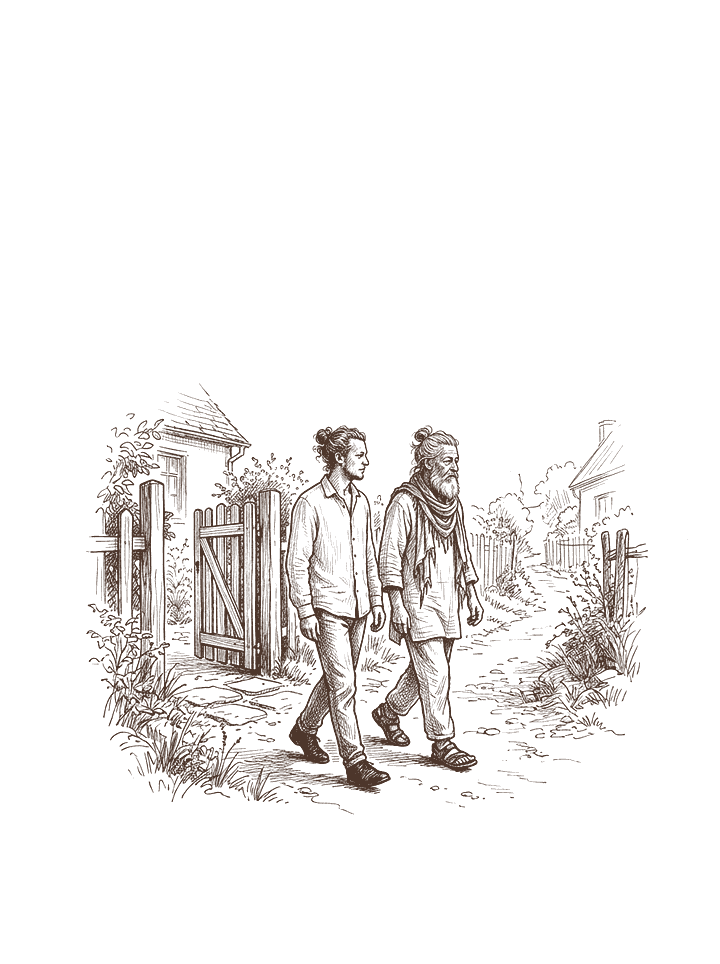
To start walking for exercise, pick a familiar route you can manage now, wear comfortable, supportive footwear, and check weather, daylight, crossings and a practical way home. If you have been inactive and can walk, the NHS suggests increasing walking gradually. When you review the outing, consider one change at a time — route, duration or pace — and read effort through the CDC’s relative-effort cues, such as how easily you can talk, rather than chasing a distance target.
A walking plan starts with the week you actually have: a route, available time, and your current abilities. A popular distance target leaves those details unanswered. The questions below help make an ordinary outing clear before considering a larger commitment.
Choose an ordinary starting point
The NHS walking guide suggests gradually increasing walking when you have been inactive and can walk. Comfortable, supportive footwear and a familiar place are more useful starting decisions than a new device. Check weather, daylight, crossings, and a practical way home. A route can be shorter than a popular fitness challenge.
For example, use the familiar stretch between your home and a nearby turning point. Record how that ordinary outing fits your day before deciding whether to repeat it. This planning example does not set a pace, duration, or progression schedule.
Separate pace from distance
A longer route is not necessarily a more intense walk. The CDC intensity guide describes relative effort, including conversational cues. The same speed can feel different to different people. Those cues explain effort. They do not tell you to accelerate until talking becomes uncomfortable.
Make one change visible
When reviewing a familiar outing, separate possible changes to the route, duration, and pace. Recording one proposed change makes the decision easier to understand. It does not establish readiness to increase exercise. A week with fewer available outings does not require a longer walk to compensate.
| Record | Example | Your version |
|---|---|---|
| Familiar route | Home to the nearby turning point | ___ |
| Practical condition | Daylight; ordinary shoes suitable for the surface | ___ |
| Current outing | The amount I can presently manage | ___ |
| Next decision | Repeat, adjust, or ask for advice | ___ |
| Proposed single change | A slightly different route | ___ |
Keep safety separate from motivation
Pain, unusual symptoms, or existing restrictions are reasons to ask about suitability, not evidence of weak motivation. Do not use this worksheet as clearance after illness or injury. The NHS page is useful general guidance, although its displayed review date is older than this manuscript.
Keep a record of the route and conditions that actually worked. That gives the next planning decision a concrete starting point, without creating a compulsory distance increase.
Frequently asked questions
How far should I walk when starting out?
This guide does not set a distance. Start with an outing you can presently manage; the NHS suggests building up gradually if you have been inactive and can walk.
Do I need to walk every day when I start?
This guide does not set a schedule. Try one ordinary outing and note how it fits your day before deciding whether to repeat it. A week with fewer outings does not require a longer walk to make up for it.
How fast should I walk for exercise?
Pace is about relative effort, not a fixed speed: the same speed can feel different to different people. The CDC describes conversational cues; they explain effort and do not tell you to speed up until talking becomes uncomfortable.
Do I need a fitness tracker to start walking?
No. Comfortable, supportive footwear and a familiar place are more useful starting decisions than a new device.
What if walking causes pain?
Pain, unusual symptoms or existing restrictions are reasons to ask about suitability, not evidence of weak motivation. This guide is not clearance after illness or injury.