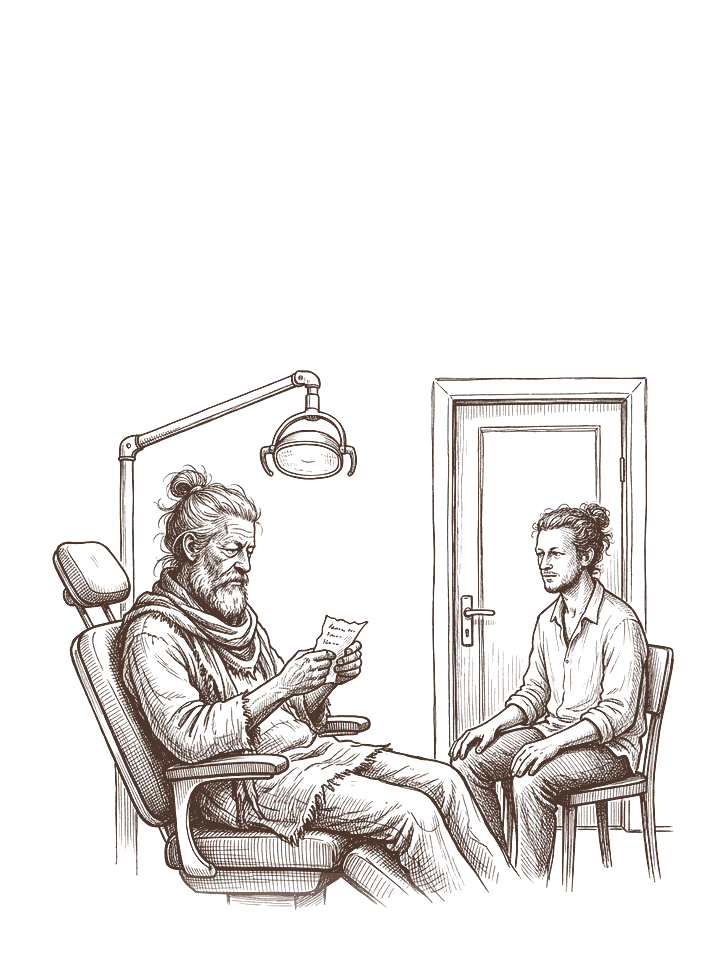
Dry mouth can have several possible causes, and medicines are among them, along with illnesses and certain treatments, according to NIDCR’s dry-mouth guidance. This guide does not list specific medicines; a list of possible causes cannot identify yours. If dryness appears among a medicine’s possible side effects, ask the prescriber or pharmacist about it and do not stop the medicine yourself on that basis. Bring your medicine and supplement list, and a note of when the dryness happens, to your dentist or clinician. Difficulty swallowing or other concerning changes deserve timely professional advice.
Dry mouth can seem like a small discomfort until it affects eating, speaking, or swallowing. Persistent dryness is not an inevitable part of getting older. Describing when it happens gives a dentist or clinician more to work with than assuming you only need more water.
Understand what saliva contributes
NIDCR's dry-mouth guidance explains saliva's roles in eating, swallowing, and protecting the mouth. Ongoing dryness can affect both comfort and oral health. The guidance lists medicines, illnesses, and certain treatments among possible causes.
A list of possible causes cannot identify yours. It does explain why the conversation may need to cover more than the sensation of thirst or a preferred drink.
Bring details rather than a diagnosis
Notice when dryness occurs and how it affects ordinary activities. Take a current medication and supplement list, along with any existing dental or medical advice.
If dryness appears among a medicine's possible side effects, ask the prescriber or pharmacist about it. Do not stop the medicine yourself on that basis.
| Detail | Your note |
|---|---|
| Approximate start | ___ |
| Times or situations when it is noticeable | ___ |
| Eating, speaking, or swallowing difficulties | ___ |
| Medicines and supplements | Current list available: ___ |
| Existing dental or medical advice | ___ |
| Main question | What may be causing this, and what care is appropriate? |
The note organizes observations; it does not score dryness or diagnose the cause. Difficulty swallowing or other concerning changes deserve timely professional advice. Do not wait for a perfectly completed record before raising those concerns.
Keep comfort measures within your instructions
NIDCR discusses small sips of water and oral-care measures. That general guidance does not override a prescribed fluid restriction. Follow your clinical instructions rather than increasing drinking because of this article.
Ask which products are suitable and whether a saliva substitute has a role. Those choices, and treatment of the cause, depend on the individual situation. The worksheet cannot select a product or treatment for you.
Leave with a follow-up plan
A temporary comfort measure may not resolve the underlying problem. Write down the recommended next step and when to return if the difficulty continues.
That keeps attention on both everyday comfort and the explanation for persistent dryness. An age label alone should not close the conversation.
Frequently asked questions
Can medicines cause dry mouth?
NIDCR’s dry-mouth guidance lists medicines, illnesses and certain treatments among the possible causes. A list of possible causes cannot identify yours, so describe the problem to a dentist or clinician.
What should I do if dry mouth is listed as a side effect of my medicine?
Ask the prescriber or pharmacist about it. Do not stop the medicine yourself on that basis.
What should I tell my dentist about dry mouth?
Say approximately when it started, when or in which situations it is noticeable, whether it affects eating, speaking or swallowing, and which medicines and supplements you take. Bring any existing dental or medical advice and ask what may be causing it and what care is appropriate. Difficulty swallowing or other concerning changes deserve timely professional advice.
Is dry mouth a normal part of getting older?
Persistent dryness is not an inevitable part of getting older. An age label alone should not close the conversation with your dentist or clinician.
Is drinking more water enough for dry mouth?
Not necessarily: describing the problem gives a dentist or clinician more to work with than assuming you only need more water. NIDCR discusses small sips of water and oral-care measures, but that does not override a prescribed fluid restriction, so follow your clinical instructions.