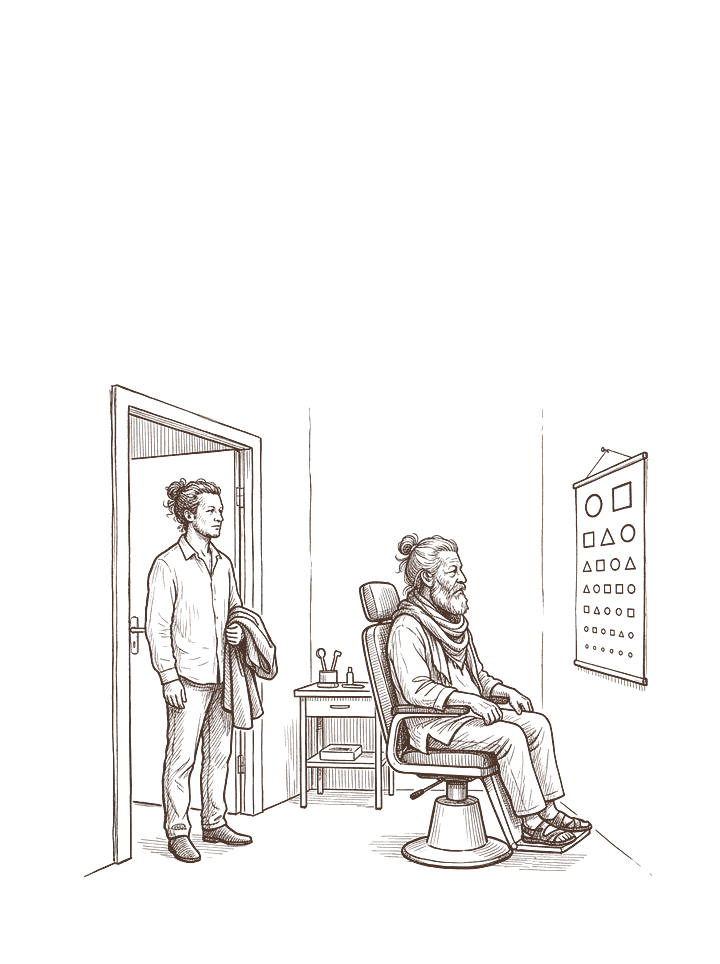
A comprehensive eye exam is more than reading an eye chart. The National Eye Institute describes a comprehensive dilated eye examination as including visual acuity, visual fields, eye movements, pupil responses, pressure and an examination after dilation. Dilation can temporarily cause blurred vision and light sensitivity, so ask the practice about getting home. How often you need an exam depends on your age, risks and history, so ask the eye-care professional about timing. Sudden changes should not wait for a routine calendar slot; seek appropriate urgent medical advice.
Reading an eye chart answers only part of the question about eye health. A comprehensive examination includes other checks, and its follow-up depends on your history and concerns. Knowing what the visit covers also helps you ask about practical arrangements before arriving.
Look beyond the familiar chart
The National Eye Institute describes several parts of a comprehensive dilated eye examination. These include visual acuity, visual fields, eye movements, pupil responses, pressure, and examination after dilation.
A satisfactory chart result therefore cannot establish that every aspect of eye health is normal. Ask what the planned appointment includes, especially if you are unsure what kind of examination was booked.
Ask how timing applies to you
NEI gives different examination intervals for different ages and risks. A general age threshold is not enough to determine an individual's appointment schedule.
Bring the date of your previous examination, known results, and relevant family or health history. Those details belong in the conversation about which recommendation applies and why. The eye-care professional can explain the timing for your situation.
Arrange the journey home
NEI explains that dilation can temporarily cause blurred vision and light sensitivity. Before the visit, ask the practice about getting home and activities to avoid afterward. Do not assume that a fixed number of minutes will make you ready to drive. Follow the advice for your actual examination.
This is a practical question to settle beforehand, rather than after discovering how your vision feels.
Keep the appointment questions together
The sheet below records questions and information you already have. It is not a vision test, and you do not need to recreate office tests at home.
| Question | Your note |
|---|---|
| What is the purpose of this appointment? | ___ |
| What was found previously? | ___ |
| Which current change concerns me? | ___ |
| Will dilation be used? | ___ |
| What transport or help should I arrange? | ___ |
| When is the next examination recommended, and why? | ___ |
| Whom should I contact about a new concern? | ___ |
Sudden changes should not wait for a routine calendar slot; seek appropriate urgent medical advice. A preparation sheet must not delay that response.
Before leaving an ordinary appointment, check that you understand the findings and next step. A glasses prescription may be one result; it does not explain every part of the examination.
Frequently asked questions
What does a comprehensive eye exam include?
The National Eye Institute describes several parts: visual acuity, visual fields, eye movements, pupil responses, pressure, and examination after dilation. Ask what your planned appointment includes, especially if you are unsure what kind of examination was booked.
Does a good result on the eye chart mean my eyes are healthy?
A satisfactory chart result cannot establish that every aspect of eye health is normal. A glasses prescription may be one result of an exam, but it does not explain every part of the examination.
Can I drive home after my eyes are dilated?
NEI explains that dilation can temporarily cause blurred vision and light sensitivity. Ask the practice about getting home and activities to avoid afterward, and do not assume that a fixed number of minutes will make you ready to drive; follow the advice for your actual examination.
How often should I have a comprehensive eye exam?
NEI gives different examination intervals for different ages and risks, so a general age threshold is not enough to set an individual schedule. Bring the date of your previous examination, known results and relevant family or health history, and ask the eye-care professional when the next exam is recommended and why.
Should a sudden change in my vision wait for my next appointment?
No. Sudden changes should not wait for a routine calendar slot; seek appropriate urgent medical advice.