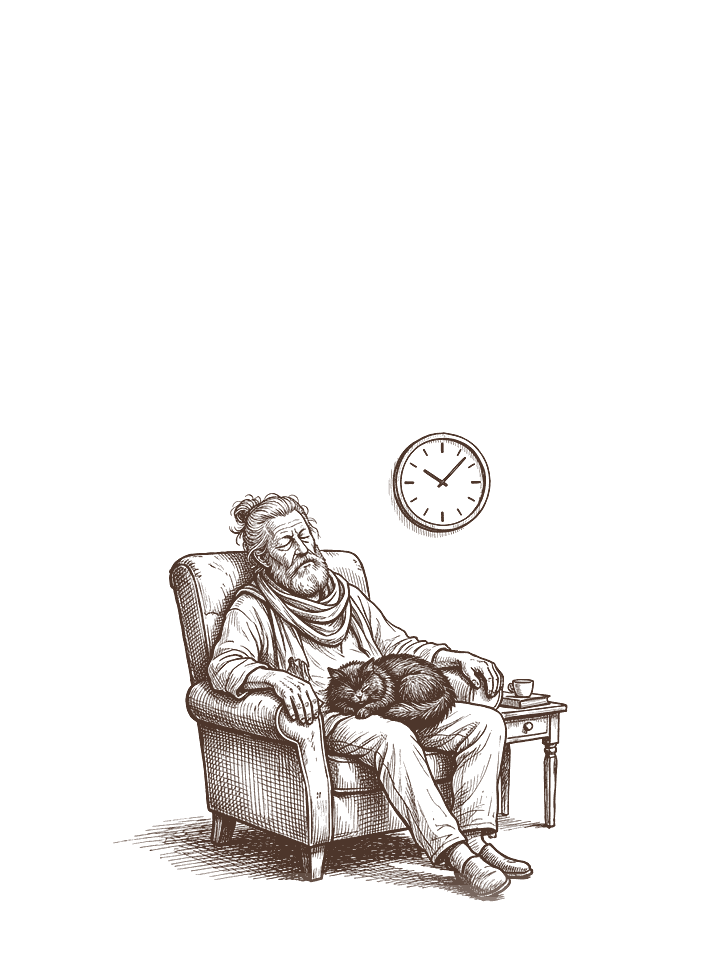
A nap may improve alertness, but its usefulness depends on the situation. NHLBI’s healthy-sleep advice discusses short, earlier daytime naps when they are useful, while its insomnia treatment guidance advises avoiding naps as part of relevant sleep-habit advice; the two address different situations. Unusual daytime sleepiness deserves a healthcare conversation, especially when it affects ordinary responsibilities. A nap cannot replace enough sleep or establish fitness to drive.
A nap may improve alertness. Its usefulness still depends on the situation, including what happens during nighttime sleep. That explains why general advice about naps can look different from advice within insomnia treatment.
Why the context changes the advice
NHLBI's healthy-sleep advice discusses short, earlier daytime naps when they are useful. Its insomnia treatment guidance advises avoiding naps as part of relevant sleep-habit advice. Those statements address different situations. They are not interchangeable instructions for every reader.
For someone struggling to fall asleep at night, adding long or late naps may leave the underlying question unresolved. Shift work presents another context, with sleep timing that differs from a conventional daytime schedule. A single nap duration or alarm setting would conceal these differences rather than explain them.
The reason for the nap matters
An occasional rest opportunity differs from repeatedly falling asleep unintentionally. Unusual daytime sleepiness deserves a healthcare conversation, especially when it affects ordinary responsibilities. Do not assume that more caffeine or another nap resolves the cause.
A simple observation note
| Question | Your answer |
|---|---|
| Why am I considering a nap? | ___ |
| What has nighttime sleep been like? | ___ |
| Is daytime sleepiness unusual or recurring? | ___ |
| Does the timing interfere with my intended night? | ___ |
| What question should I bring to a clinician? | ___ |
The questions help describe the situation without turning the answers into a diagnosis or treatment plan. Feeling refreshed after a nap leaves other questions open, including whether overall sleep is adequate.
Transport safety needs a separate decision
NHTSA's drowsy-driving guidance discusses the limits of short-term measures. Do not use a completed nap or a caffeinated drink as clearance to drive while sleepy. Address the safety decision directly and arrange alternatives when needed.
A nap cannot replace enough sleep or establish fitness to drive. Its possible benefit should stay separate from those larger questions.
From Pavel’s experience
Personal experience — Pavel Rachkouski, founder. One person’s notes, not advice.
I can’t sleep during the day at all. I have tried: I fell asleep for an hour, but woke up anxious, as if I had slept through everything. Clients may call or write, and my work needs me reachable all day; I can’t drop out, I need a fresh head all the time. The last time I slept during the day was about seven years ago.
When I get sleepy during the day, I may drink a coffee.
Frequently asked questions
Are daytime naps good or bad for you?
It depends on the situation. NHLBI’s healthy-sleep advice discusses short, earlier naps when they are useful; its insomnia guidance advises avoiding naps. They are not interchangeable instructions for every reader.
Why is napping discouraged for insomnia?
NHLBI’s insomnia treatment guidance advises avoiding naps as part of relevant sleep-habit advice. For someone struggling to fall asleep at night, adding long or late naps may leave the underlying question unresolved.
Is a nap enough before driving when I am sleepy?
No. NHTSA’s drowsy-driving guidance discusses the limits of short-term measures: do not use a completed nap or a caffeinated drink as clearance to drive while sleepy, and arrange alternatives when needed.
When should daytime sleepiness be checked by a doctor?
Unusual daytime sleepiness deserves a healthcare conversation, especially when it affects ordinary responsibilities.