Movement & Strength · Massage
Massage Hygiene, Privacy and Professional Boundaries
By Pavel Rachkouski · Prepared with AI assistance.
A massage room can look calm and still leave important questions unanswered. Soft lighting tells you little about how the table is cleaned. An attractive blanket does not tell you whether it was changed. A friendly welcome does not tell you where your personal information will be stored. The opposite is also worth remembering: a plain room is not automatically unprofessional.
I separate the room’s appearance from its working practices. In this guide, I use three questions: what can you observe, what needs an explanation, and who is responsible if something concerns you? You do not need to inspect a business like a regulator. You do need enough clarity to decide whether you want to use its service.
Look at the working space, then ask about the process
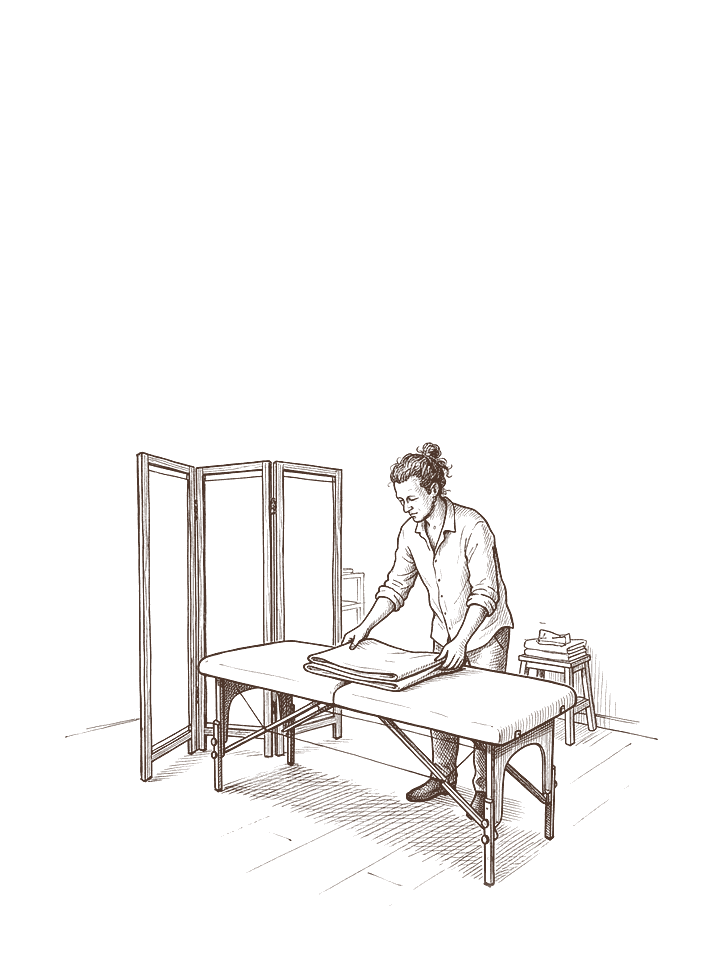
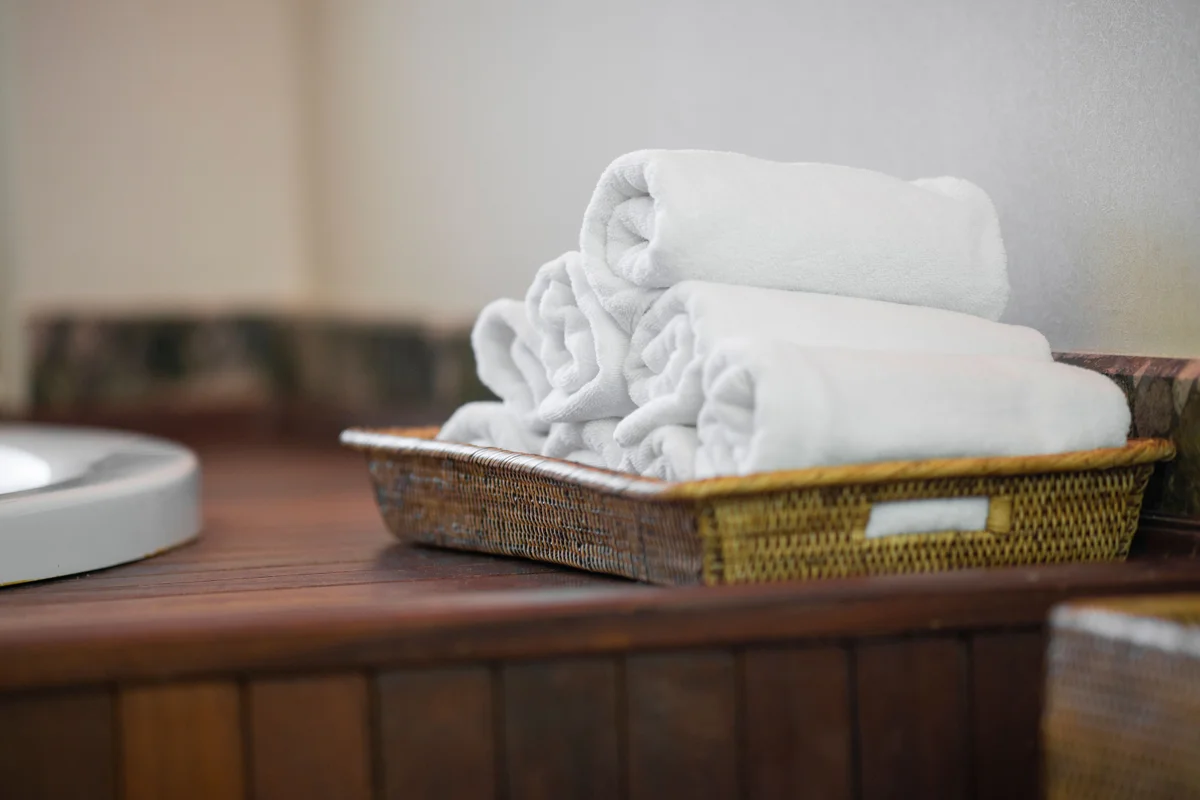
Notice the linens, face support and surfaces you will touch. If something looks used or soiled, ask for it to be replaced or addressed before the session. Do not assume an issue is harmless because the room otherwise looks tidy. Some important steps may happen between appointments, outside your view. Ask how the table and equipment are cleaned and which coverings are changed for each person.
A straightforward description is more useful than “we keep everything very clean.” The College of Massage Therapists of Ontario’s infection-prevention standard specifies cleaning and disinfection of contact surfaces and equipment between patients, fresh processed linens, and hand hygiene. These are requirements for its Ontario registrants.
Elsewhere, check the relevant local standards rather than treating this document as worldwide law. Neither a visual check nor a reassuring answer can certify zero infection risk. I use the standard to make the questions more concrete. Neither this checklist nor my description of the standard certifies a particular room as safe.
Do massage therapists wear gloves?
The College of Massage Therapists of Ontario’s infection-prevention standard lists gloves among the personal protective equipment its registrants use as additional practices when a risk assessment, the government or the College indicates them. It also asks therapists to cover their own broken skin or open wounds with a barrier such as a finger cot or gloves. These are requirements for its Ontario registrants; elsewhere, check the relevant local standards and ask the clinic about its procedures.
Make private changing and covering explicit
Before changing, ask where you should do so and how the practitioner will know you are ready. Establish who may enter the room and whether the door or other arrangement provides the privacy you expect. Clothing and covering should be discussed, not left to an unspoken assumption. Ask what can remain on for the proposed session and how areas not being worked on will be covered.
If the arrangement does not suit you, find out what alternatives are available before proceeding. The CMTO standard on boundaries, draping and physical privacy sets out respectful conduct and discussion of clothing and draping preferences. I include this standard because covering belongs in the conversation about professional boundaries. It should not be left to assumptions about room decoration or modesty.
Notice how professionalism works in ordinary moments
A practitioner can be warm without making personal comments about your body. They can explain a service without turning the conversation into a demand for trust. Familiarity should not make basic questions unwelcome. For example, imagine asking whether someone else could enter during the session. “No one will enter without checking with you” answers the question.
“Everyone loves it here” does not. You are looking for an explanation of the arrangement, not reassurance about how other clients feel. The same applies if you ask to bring a support person or need a different privacy arrangement. Ask in advance what is possible. Do not assume that every space has identical facilities, but do expect a clear answer before you commit to using them.
Keep personal information out of public conversation
If reception is busy, ask to discuss private details somewhere quieter. A booking desk can handle a time and name without becoming the place for a full conversation about your health. Ask how the practice collects personal information, who can access it and which channel it wants you to use. You do not need to audit its software.
You can ask for its privacy information rather than send sensitive details to whichever social account happens to answer first. The CMTO privacy standard distinguishes consent to care from consent concerning personal information and requires private handling of health discussions. Applicable privacy rights and obligations depend on location and setting.
Agreement to a massage should not be casually treated as agreement to photographs, recordings or promotional use.
Know where to take a concern
For a practical problem, such as an unclear cleaning arrangement, you may choose to ask the practitioner or manager for an explanation. For a serious boundary or privacy concern, you do not have to resolve it face to face first. Keep a factual note of what happened, when it happened and the provider’s identifying details. Depending on the issue and jurisdiction, the appropriate destination may be a professional regulator, privacy authority, public-health body or another local service.
Verify that the practitioner is actually covered by the organization you contact. A membership logo is not proof that one particular complaints process applies.
A three-part check
-
What I can see: the contact surfaces, coverings, changing arrangement and conduct around me.
-
What I need to ask: cleaning between visits, privacy during the session, and handling of information.
-
Who can answer: the practitioner, the responsible manager, or the relevant local authority.
The result I want from these three headings is an understandable arrangement: what you have seen, what the provider has explained and where an unanswered question belongs. You can stop checking once you have the practical information you need.
Sources / References
Pavel Rachkouski is the author and approving editor. Preparation and comparison with the listed sources used AI assistance. This version has not received independent human fact-checking or medical review. How we prepare nonclinical guides.